START WITH YOUR GAME
Choose a useful priority.
Your goals, position and current challenges shape the session. Observation, conversation and relevant hockey tasks help identify what to work on first.
HOW I COACH
Technical skill. Game intelligence. Mental performance. Developed together.
Work on how you execute, what you notice and how you respond—with practice shaped around your game. Research informs the decisions; your needs shape their application.
A SESSION IN PRACTICE
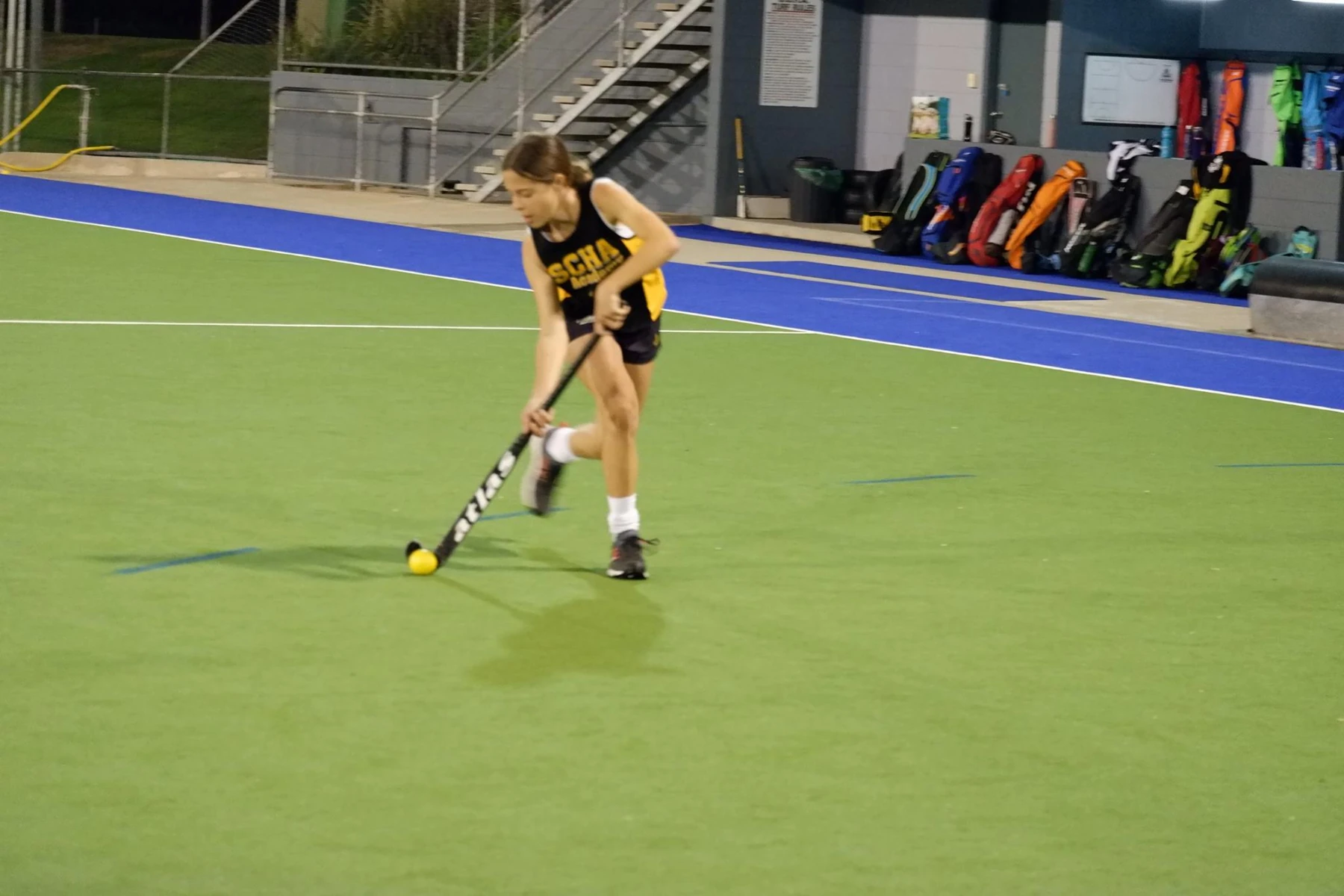
A player wants to keep possession when receiving under pressure. We might start with receiving technique, then add a defender and different passing options so the player has to scan, choose and act.
If a touch goes wrong, we can practise a simple reset and re-engage with the next play. We then change the pressure or space and review whether the player can still find a useful solution.
An example of how a session can develop. The task and challenge are adapted to the player.
MORE PRACTICE EXAMPLESTHE COACHING PROCESS
Your goals, position and current challenges shape the session. Observation, conversation and relevant hockey tasks help identify what to work on first.
Clear demonstration, instruction and repetition have a place. So do questioning, exploration and changing the task. The choice depends on the player and the learning goal.
Where appropriate, include defenders, teammates, space and timing. Work on what you notice, the action you choose and how you regain focus after a mistake.
Revisit the skill later, change the situation and reflect on its application in games. Suitable match footage can support that review when available.
CHALLENGE WITH PURPOSE
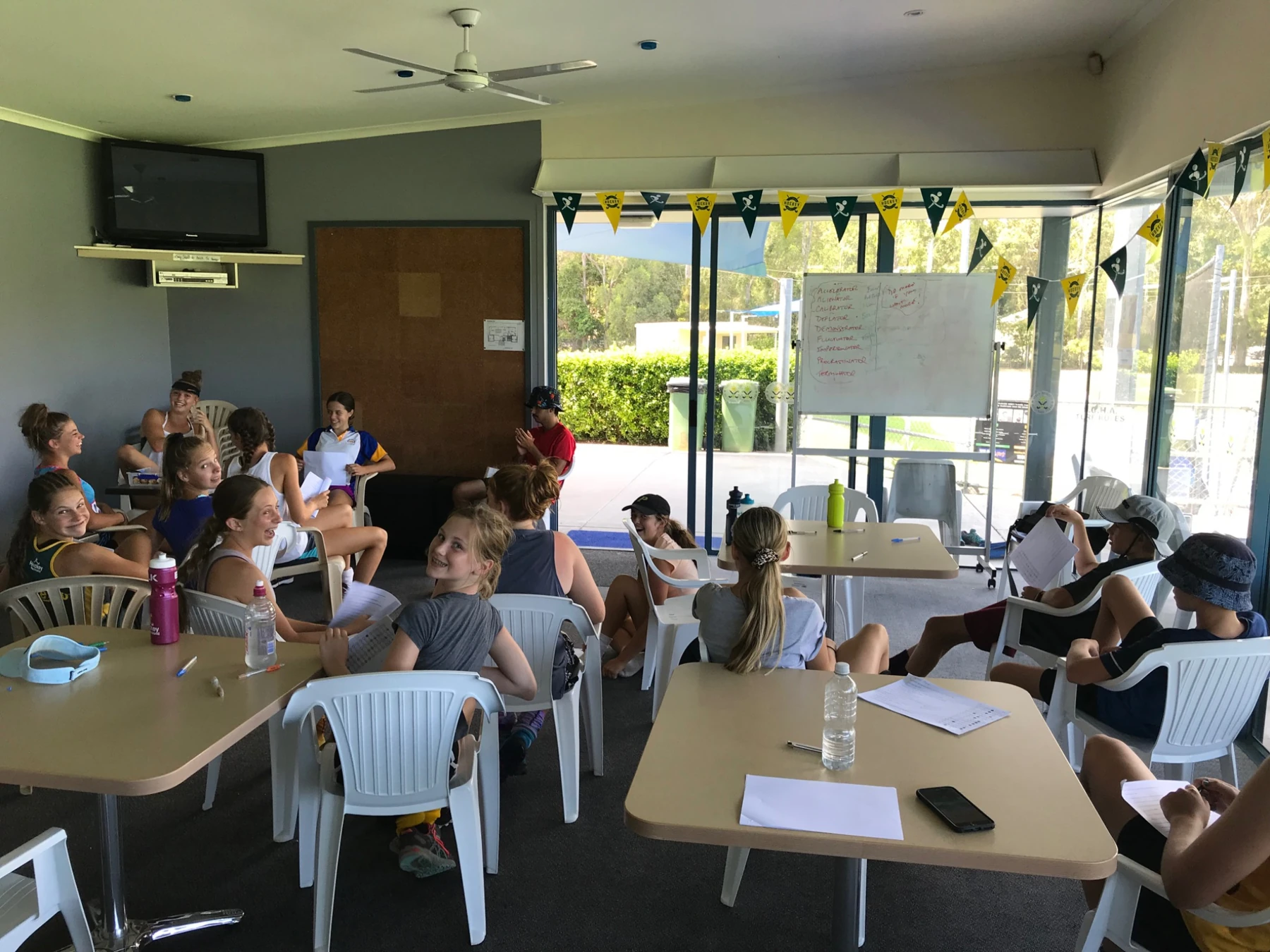
Adjust the pace, space, opposition or decisions so the task stretches your ability while keeping the learning goal clear. Questions, feedback and mistakes help identify the next step.
Players are encouraged to explain what they noticed, try useful alternatives and take increasing ownership of their development.
PREPARE FOR WHAT’S NEXT
Develop a skill, prepare for selection or plan towards trials, a tournament or the coming season.
EXPLORE PREPARATION SUPPORT