COACHING INSIGHTS
SEE THE PRACTICE.
UNDERSTAND THE PURPOSE.
Look inside the decisions that shape a useful hockey activity.
Explore receiving, elimination and responding after mistakes. Each example connects a hockey problem with practice design, mental performance and a way to review the learning.
THREE PRACTICAL EXAMPLES
SKILL. INFORMATION.
NEXT ACTION.
Choose an example to explore the skill, decisions and mental performance involved.
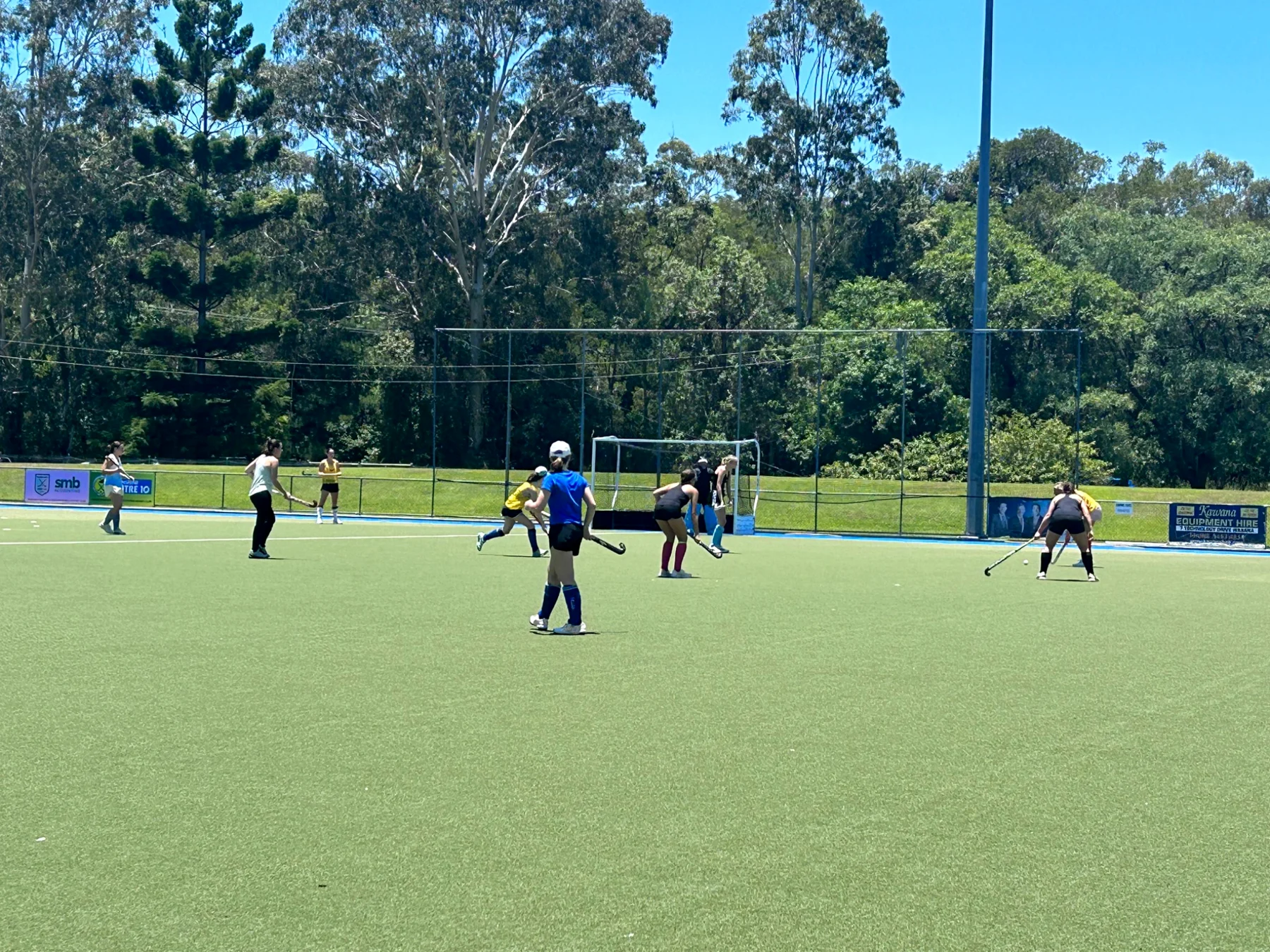
Receiving under pressure
You receive the ball cleanly in a drill, but lose your options when a defender closes you down.
- The skill
- Receive with control and a first touch that helps the next action.
- The game information
- Notice the defender’s approach, the available space and the position of a supporting player.
- The practice
- Begin at a manageable pace. Change the defender’s starting position or the passing angle, then add a supporting player and a choice of exits.
- The mental performance
- After an error, use a short reset and return attention to the defender, space and next pass.
- The player’s reflection
- What did you notice before the ball arrived? What did your first touch make possible?
- The review
- Revisit the task in a later session, then look for the same receiving situation in a game.
FROM THE TRAINING GROUND
HOCKEY HAPPENS
IN CONTEXT.
Players, space and movement change the information available in a game. A useful question when planning practice is: what does the player need to notice, decide and do?
Purposeful practice connects the skill, the information and the next action. Players learn to recognise opportunities, make decisions and adapt as the game changes.
EXPLORE THE COACHING APPROACH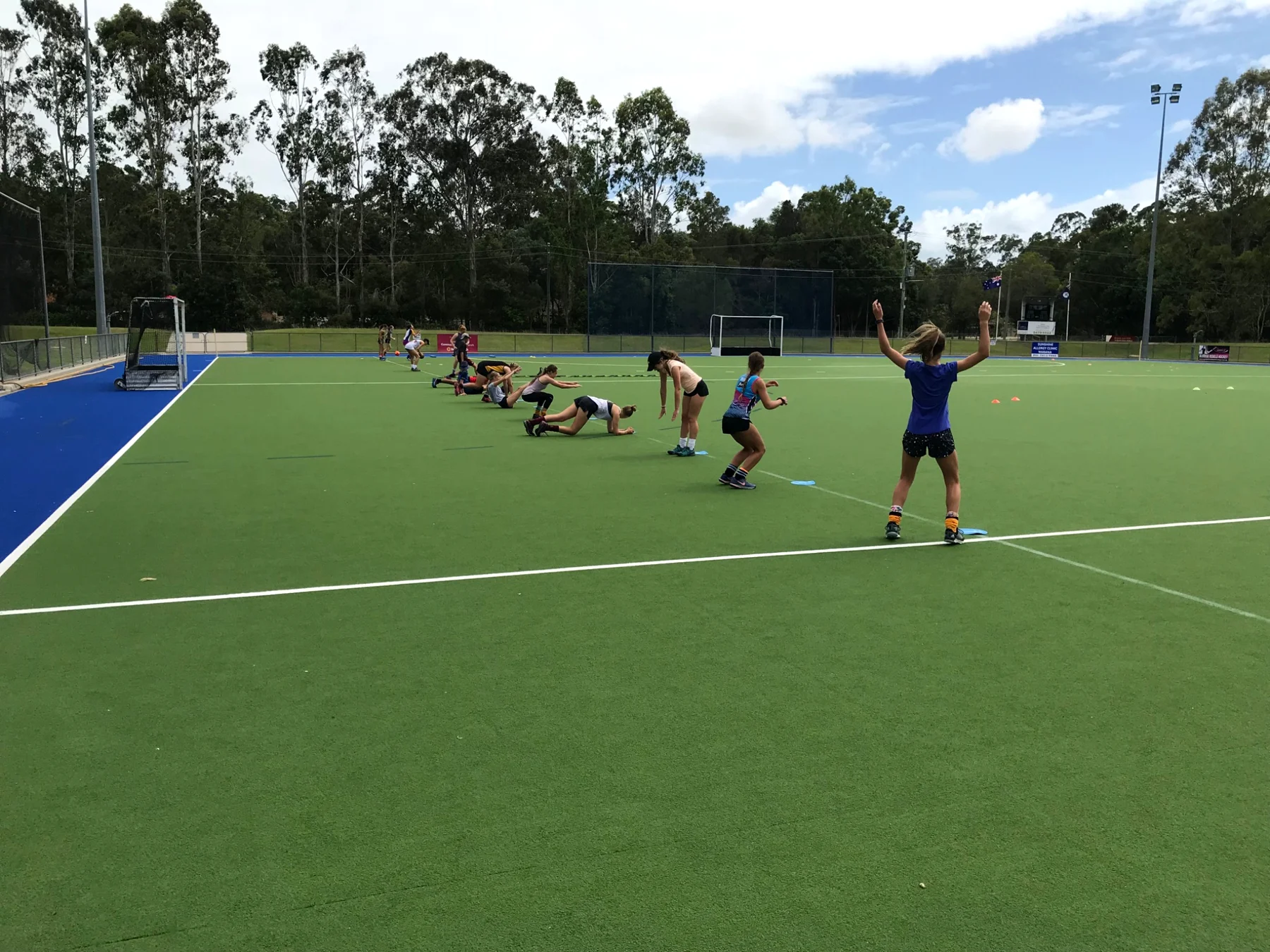
MAKE IT RELEVANT TO YOUR GAME
WHAT ARE YOU
WORKING ON?
Bring your hockey question to the conversation.
ENQUIRE ABOUT COACHING